
Live Nation’s Grip: Antitrust, Leaks and a Way Out

The Live Nation–Ticketmaster antitrust case, leaked messages and a 2026 settlement show how power works in live music. See what it means for electronic artists, organisers and venues.
Gatekeeping in the electronic music industry

Gatekeeping still blocks many DJs and producers from real bookings. Learn why access matters, what artists can do, and how Gigevate opens the door.
Gigevate Launches New Electronic Music Booking Platform
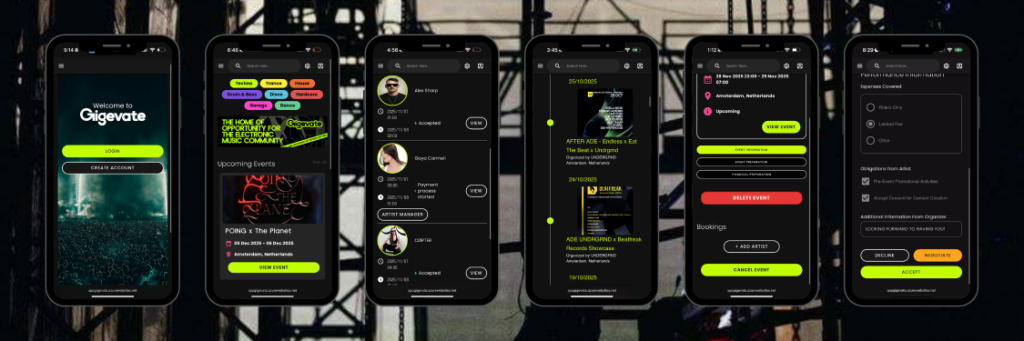
Gigevate is a new platform for electronic music that lets artists, organisers and fans showcase profiles, discover opportunities and manage secure bookings with clarity and trust.
How Gigevate Aims to Make a Difference

Learn how Gigevate aims to make a meaningful impact in electronic music by supporting artists organisers and fans through trust structure and visibility.
Community Centric Electronic Music
Explore what it means to be community centric in electronic music and how Gigevate is building with artists organisers and fans at the core.
Electronic Music Collaboration
Gigevate invites artists organisers and fans to collaborate in building a more connected trusted and sustainable electronic music ecosystem.
Artist and Organiser Onboarding

Gigevate offers done for you onboarding to help artists and organisers optimise their accounts link past events and get booking ready.
Invoicing and VAT in Electronic Music
Learn how invoicing and VAT responsibilities work between artists and organisers when using Gigevate including practical guidance and invoice templates.
How the Gigevate Booking Process Works
THE GIGEVATE BOOKING PROCESS Booking electronic music artists has traditionally relied on informal conversations trust based agreements and scattered communication. Details are shared across multiple platforms. Payments are delayed or unclear. Important agreements are misunderstood or forgotten. Gigevate was built to introduce structure trust and protection into electronic music bookings without changing the culture that makes the scene what it is. This article explains exactly how the Gigevate booking process works from the moment an organiser creates an event to when payment is safely released after the performance including VAT clarity payment protection and support if anything goes wrong. WHY BOOKINGS NEED STRUCTURE Electronic music thrives on creativity and community but sustainable careers and events require clarity. Artists need Clear confirmation of bookings Guaranteed payment security A professional record of performances Organisers need Confirmed artist commitments Clear accepted terms Reduced admin and financial risk Without a structured process misunderstandings become common and trust becomes fragile. HOW THE GIGEVATE BOOKING PROCESS WORKS STEP 1. THE ORGANISER CREATES AN EVENT Every booking starts with an event. The organiser creates an event on Gigevate and includes: Event date and location Performance expectations Proposed performance fee Additional event notes This creates a clear foundation before approaching an artist. STEP 2. THE ORGANISER SENDS A BOOKING REQUEST Once the event is created the organiser sends a booking request to an artist. The request includes: Full event details Proposed terms Performance expectations At this stage: Nothing is binding No payment is required The artist has full control over the response STEP 3. THE ARTIST RESPONDS The artist can choose how to respond to the booking request. Available options are: Accept the booking Decline the booking Negotiate the terms Negotiation may include changes to: The performance fee Event details Expectations or requirements This ensures both sides are aligned before moving forward. STEP 4. TERMS ARE AGREED Once both parties agree on the final terms the booking becomes ready to be secured. At this point: All details are confirmed No assumptions remain The agreement is clearly documented This is the moment the booking becomes intentional and professional. STEP 5. VAT AND INVOICING CLARITY BEFORE PAYMENT Before payment is made it is important that VAT and invoicing responsibilities are clear. Organisers should: Confirm whether a VAT invoice is required for the performance fee Request the VAT invoice directly from the artist where applicable Ensure their own VAT details are correct Important to know: VAT related to the performance fee is handled directly between the artist and organiser Gigevate does not create or manage performance fee invoices between parties Gigevate handles its own platform related charges separately We are actively working on improving and simplifying VAT and invoicing flows to make this process even clearer in the future. STEP 6. PAYMENT IS MADE AND HELD SAFELY After VAT and invoicing expectations are clear the organiser completes the payment through Gigevate. Once payment is made the funds are secured and held safely until after the performance takes place. This means: The payment is made upfront The funds are not released immediately The payment cannot be withdrawn or redirected The artist knows the payment is reserved for them Gigevate holds the payment to protect both parties throughout the booking process. HOW PAYMENT PROTECTION WORKS When a payment is made through Gigevate it is handled with security fairness and transparency in mind. The payment is: Held securely by Gigevate until the performance is completed Linked directly to the confirmed booking and agreed terms Only released once the booking obligations are fulfilled This creates a neutral protected environment where: Artists do not need to chase payments Organisers do not need to manage transfers manually Both parties know the money is safe The funds are not accessible to either party until the booking is completed. WHAT THIS MEANS FOR ARTISTS For artists payment protection means: You know the organiser has already paid You are not relying on promises or follow ups You can focus on performing without financial stress Your payment is secured before you step on stage. WHAT THIS MEANS FOR ORGANISERS For organisers payment protection means: Your booking is properly confirmed The artist commitment is secured There are no last minute payment issues Payment security supports professional working relationships on both sides. STEP 7. IN APP CHAT OPENS In app communication only becomes available after the terms are agreed and payment has been made. This ensures: The booking is real Both parties are committed Communication stays relevant and professional From this point artists and organisers can coordinate: Technical requirements Set times Arrival and soundcheck details Final logistics All communication stays linked to the booking. STEP 8. THE PERFORMANCE TAKES PLACE The artist performs at the event as agreed. Because payment is already secured both sides can focus fully on delivering a great experience without financial uncertainty. STEP 9. PAYMENT IS RELEASED AFTER THE PERFORMANCE After the performance is completed the secured funds are released to the artist. This ensures: Predictable payouts No follow ups or reminders A completed transparent booking cycle SUPPORT AND DISPUTE ASSISTANCE While most bookings run smoothly we understand that issues can sometimes arise. Gigevate is here to assist if there are: Disputes between parties Issues with fulfilment Questions around agreed terms Our role is to help mediate and support both artists and organisers fairly based on the agreed booking details and platform records. Having everything documented in one place makes resolving issues faster clearer and more transparent. WHY THIS PROCESS BUILDS TRUST The Gigevate booking process protects both artists and organisers equally. Artists are protected through Secured payment before performing Clear confirmed bookings Professional performance history Organisers are protected through Accepted documented terms Artist commitment backed by payment Structured communication and platform support Trust is built into the system rather than assumed. WHAT THIS MEANS FOR THE ELECTRONIC MUSIC SCENE Structure
Unstructured Bookings in Electronic Music
Unstructured bookings have become normal in electronic music but they come at a cost for artists organisers and the wider scene. Here is why it matters.