
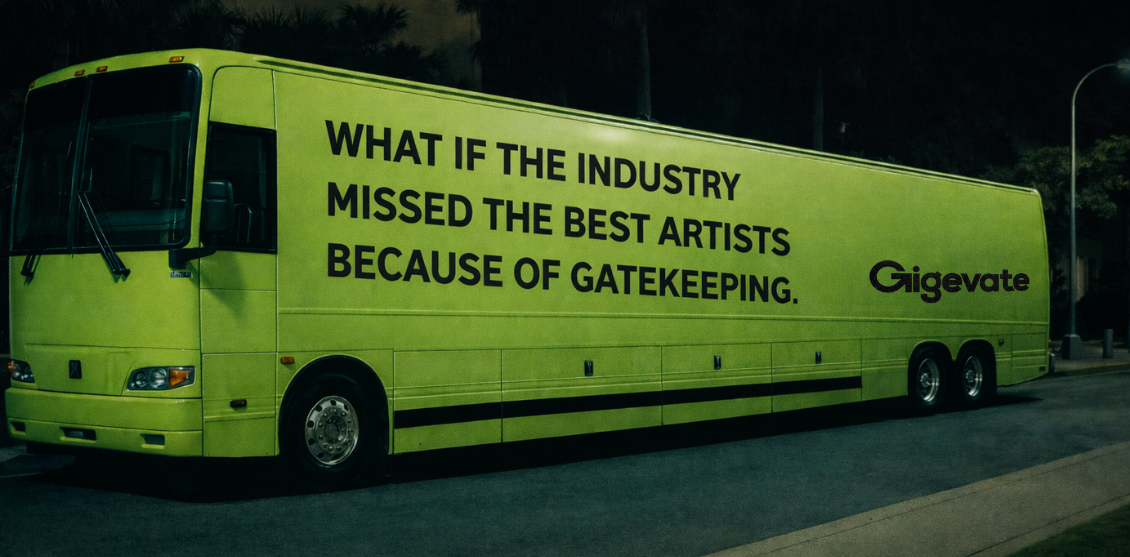
Electronic music has always been about community, shared moments on the dancefloor and connections that cross cities, cultures and scenes. But behind the energy of the clubs and festivals, there is another force shaping who gets seen, who gets booked and who gets left out: gatekeeping.
If you spend enough time in the electronic music world, you start to notice a pattern. There are incredibly talented artists producing strong tracks, refining their sound and putting in the hours behind the decks, yet many of them struggle to get meaningful bookings.
At the same time, other DJs seem to break through quickly.
Often the difference is not talent – it is access.
Access to promoters, booking agents, organisers and the closed circles that decide who gets stage time.
Who you know.
Who you meet.
Who opens the door.
For many emerging artists, breaking into the scene feels like trying to find a door that nobody points you to and that never appears in public. You see festivals selling out, clubs packed every weekend and new audiences arriving each year, yet the path into the industry still feels unclear.
This does not just create frustration for artists. Hidden talent remains hidden, lineups start to look the same, and organisers can find it hard to consistently discover fresh artists beyond their existing networks.
The truth is that many artists do not fail because they lack talent – they fail because they lack access.
Gatekeepers in music are people and organisations who control access to opportunities: promoters, booking agents, venue owners, label teams, curators and managers.
They filter who gets booked, who gets a slot on a lineup, who gets pushed on a playlist or offered a key support slot.
Some of this is necessary – organisers need to make choices, manage risk and curate a consistent experience. But when decisions are made mostly within the same private circles, it reinforces long-term inequalities and makes it harder for new voices to break through, especially those without existing networks or traditional industry backing.
The system is not perfect, but there are still concrete steps artists can take to increase their chances of breaking through gatekeeping in the electronic music industry.
Electronic music thrives on community, not just competition. Instead of seeing every DJ as a rival for the same slots, focus on building genuine relationships with other DJs, producers, collectives and organisers in your local and online scenes.
That can look like:
Supportive networks often lead to recommendations, back-to-back sets and warm introductions – the type of access that slowly erodes the impact of gatekeeping.
Talent matters, but visibility matters too. If organisers cannot find you, they cannot book you. Make it easy for people to understand who you are and what you play:
Documenting your journey – from studio clips to club moments – helps organisers see that you are active, consistent and already connected to a real audience.
Many artists assume organisers are unreachable, but in reality most are busy, not closed. A clear, respectful, well-prepared message can stand out from the noise.
When you reach out:
You will not get a “yes” every time, but thoughtful outreach is one of the few things fully in your control and can directly bypass some of the softer forms of gatekeeping.
Breaking into the scene rarely happens overnight. Artists who consistently release music, share mixes, play smaller gigs and stay active in the community build momentum that eventually becomes hard to ignore.
Consistency looks like:
Gatekeeping feels strongest at the start of a career, but consistent action gradually builds your own form of leverage: reputation, proof of work and a network that can speak for you.
The more time we spent inside the electronic music scene, the more we realised that many of these challenges are structural, not just personal. Artists struggle to connect with organisers in a structured way, and organisers struggle to efficiently discover new talent beyond word-of-mouth and DMs.
Communication is scattered across emails, messages, spreadsheets and informal agreements. Opportunities often stay locked in existing networks, and misunderstandings around bookings and payments can damage trust on all sides. That is exactly why we created Gigevate.
The vision is simple:
A trust-first platform built for the electronic music industry where artists can showcase themselves, connect with organisers, send and receive booking requests and manage professional communication in one place. Gigevate brings artists, organisers and fans into one connected space so that:
The goal is not to replace the community – it is to strengthen it with better tools. Electronic music should not be about gatekeeping; it should be about opportunity, visibility and trust for the people actually building the scene.
Hidden talent deserves a stage. And the future of the scene should be built on openness, discovery and community rather than closed circles and silent decisions.
That is the future we are building with Gigevate.
If you are an artist or organiser who believes in building a stronger and more open scene, we would love to welcome you to the Gigevate community.
